Why Australia Is Embracing Eco-Friendly Education
Eco-Friendly Practices in Schools
Implementing Sustainable Curriculums
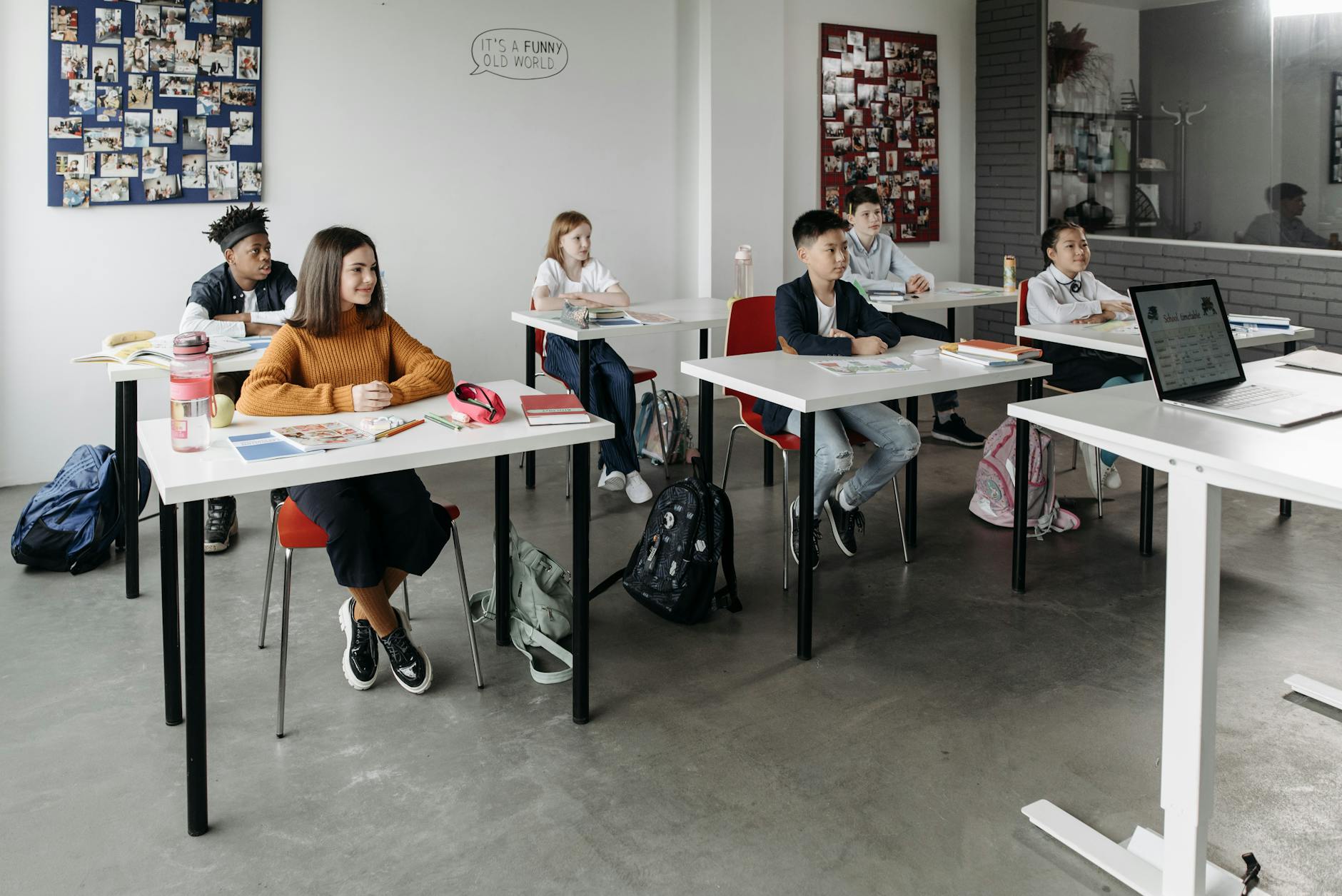
Creating an engaging sustainable curriculum begins with bringing innovative and interactive learning moments into educational environments. By including core subjects like maths and science, we can inspire students to connect these disciplines with the issues facing our planet. For example, a high school Math tutor might explore real-world data on carbon emissions or renewable energy usage, illustrating practical applications of mathematics in environmental contexts. An enriching visit to landmarks, such as the Royal Botanic Garden Sydney, can bring these lessons home with hands-on activities in nature, fostering both appreciation and understanding of our delicate ecosystems.
Encouraging Green Infrastructure
Schools hold immense potential in showcasing sustainability through their architecture and operations. By prioritising green infrastructure such as solar panels and energy-efficient lighting, schools not only minimise their carbon footprint but also provide a living demonstration of eco-friendly practices. Introducing students to the practical benefits of these technologies can be part of a curriculum led by a dedicated Biology tutor, providing insights into the science and design of sustainable systems.
Promoting Recyclable Materials
The integration of recyclable materials in school supplies and classroom projects provides another valuable eco-friendly approach. Encouraging students to use recycled paper, or create crafts using reusable resources, can instill lifelong habits of sustainability. For those interested in tutoring Maths, such projects offer opportunities to integrate mathematical concepts like geometry and measurement into creative activities, making learning both informative and enjoyable. Empowering students through these practices shapes a future conscious of environmental stewardship.
Government Policies and Initiatives
National Environmental Education Policies
In Australia, national policies aim to champion environmental education by aligning with sustainability goals. This commitment to eco-awareness is essential, especially when you consider local educational landmarks like the Royal Botanic Garden Sydney's cutting-edge programs. By understanding these policies, adults can enhance their knowledge, perhaps even seeking a Math tutor for adults near me to make sense of the data and statistics involved in environmental studies.
Grants for Eco-Friendly Schools
Government grants are available to schools committed to eco-friendly practices, and these funds can significantly aid in the adoption of greener initiatives. From building energy-efficient structures to incorporating sustainable curriculums, schools can transform their environments with financial support. Understanding how these grants can best be used without overwhelming the budget showcases the need for practical resources, such as a year 10 Maths tutor, to help decipher funding formulas.
Support for Renewable Energy
Beyond educational policies, government initiatives are also driving schools toward renewable energy sources. National strategies focus on reducing carbon footprints, with incentives to install solar panels or wind turbines. Engaging with the Powerhouse Museum's science and design exhibitions can offer interactive learning moments to visualize how these renewable technologies function. In turn, seeking support from an English language VCE tutor can enrich communication skills necessary to advocate for and implement these energy solutions within the school framework.
Role of Teachers and Administrators
Training Educators in Sustainability
Education is rapidly evolving, and with it, the imperative for teachers and administrators to embrace sustainability in the classroom. Emphasising eco-conscious educational practices is critical. At the heart of this transformation is the training of educators, ensuring they possess the skills to impart environmental wisdom effectively high school tutors. Just as Zoe Martinez, our eco-savvy influencer from Sydney, seeks varied educational content to inspire her followers, educators are continuously searching for engaging and interactive methods to communicate sustainable principles.
Interactive workshops and sustainability training sessions, much like those offered at the Royal Botanic Garden Sydney, can inspire educators to integrate these topics seamlessly into existing curricula. Consider group projects on renewable energy or eco-friendly classroom competitions that elevate learning and engagement.
Visual aids and experiential learning opportunities, inspired by science and design exhibitions at the Powerhouse Museum, create a vibrant learning atmosphere that resonates well with students, mirroring Zoe’s dynamic approach to content creation.
For those targeting a tailored approach, inviting seasoned grade 4 English tutor professionals to demonstrate how sustainability themes can be incorporated into lessons can be impactful. These initiatives ensure that educators, much like Zoe, are empowered to convey complex concepts accessibly and creatively. By fostering this eco-educational knowledge, we can cultivate environmentally aware generations ready to tackle tomorrow's challenges.
Benefits of Eco-Friendly Education
Environmental Awareness in Students
As someone who frequently visits the educational programs at the Royal Botanic Garden Sydney, I can't stress enough the impact eco-friendly education has on elevating environmental awareness among students. It’s crucial that we start incorporating sustainability lessons into learning environments early on. By engaging students with interactive experiences like garden visits or workshops, they can witness first-hand the importance of biodiversity and conservation techniques. Not only do these activities make learning captivating, but they also nurture a sense of responsibility toward preserving our planet for future generations.
Long-Term Cost Reductions
Transitioning to eco-friendly education isn’t just an ethical choice; it’s economically savvy in the long run. Schools implementing green initiatives tend to see significant reductions in operational costs over time. For instance, energy-efficient lighting and solar panels not only lower electricity bills but also contribute to a decrease in the overall carbon footprint. Plus, incorporating renewable materials in classrooms results in lower maintenance and replacement costs, offering financial breathing room to explore additional educational resources, such as Maths tutors for students who need extra support.
Healthier Learning Environments
Eco-friendly education promotes healthier spaces for students and teachers alike. By utilizing non-toxic materials and improving air quality, schools create environments where students can thrive. This attention to health ties into broader educational goals, ensuring students not only perform better academically but are also nurtured in spaces that look after their well-being. Implementing such changes may initially raise questions about private tutors cost but provides an enriching foundation for future learning, facilitating an ideal setting for both academic and personal growth.
Challenges to Eco-Friendly Education Initiatives
Tackling Budgetary Constraints
Navigating financial restraints while advocating for eco-friendly practices in schools can be a real challenge. It's crucial to find innovative ways to secure funding and make sustainability accessible. One creative approach could be collaborating with local organisations, such as the Powerhouse Museum for its science and design exhibitions, to host workshops that raise awareness and funds. Schools might also consider applying for government grants for Eco-Friendly Schools dedicated to sustainable infrastructure. These can significantly alleviate the pressure on budgets and steer schools towards greener paths.
Ensuring Inclusive Eco Initiatives
Inclusivity is essential in nurturing a collective dedication to sustainable education. By incorporating diverse perspectives, we can develop programs that resonate across backgrounds. Interactive learning moments can be utilised to engage diverse segments of the student population. Visiting places like the Royal Botanic Garden Sydney for its educational programs can serve to inspire students from varied cultures to unite under the banner of environmental stewardship.
Integrating Technology with Sustainability
Incorporating technology effectively in eco-friendly programs is another hurdle. However, using digital platforms to enhance learning about sustainability can turn this challenge into an opportunity. Schools could leverage tools like online courses or apps that facilitate learning about renewable resources. Incorporating technology can also provide dynamic learning experiences without physically impacting the environment. By shopping at Newtown’s eco-friendly boutiques, schools can also invest in sustainable tech tools that align with their green objectives.